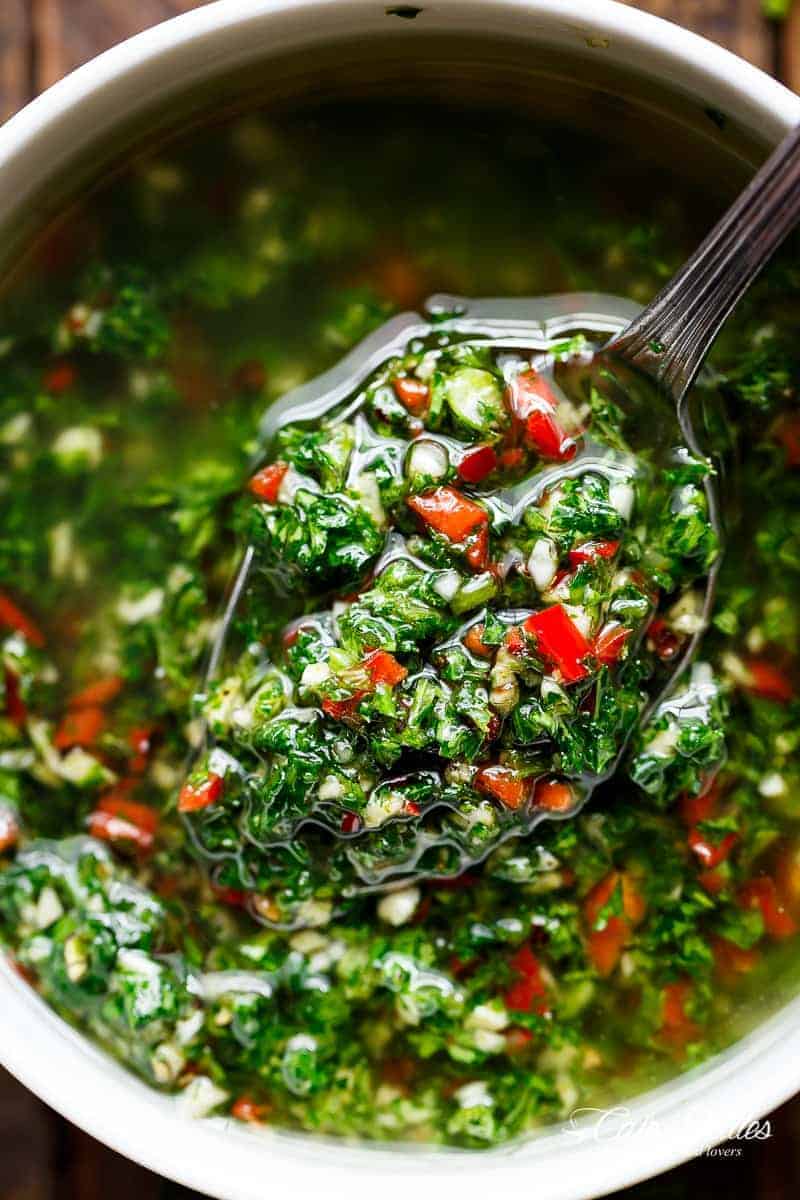
Authentic Chimichurri: My Uruguayan Dad's 1935 Family Recipe
Step into the vibrant culinary landscape of South America, and you'll inevitably encounter
chimichurri – a brilliant green, herbaceous oil-based condiment that has become synonymous with grilled meats. While many recipes lay claim to being the "original," few carry the weight of a true family legacy. Today, I'm honored to share with you a very special recipe: my Uruguayan dad's authentic chimichurri, a recipe he cherished and honed since his childhood in 1935. This isn't just a sauce; it's a piece of history, a memory, and the very essence of
authentic chimichurri Uruguay Argentina. It’s a staple at any
asado (barbecue), especially when paired with succulent
churrasco (grilled beef), bringing a burst of fresh, tangy flavors that elevate every bite.
The Heart of South American Cuisine: What is Chimichurri?
Chimichurri, pronounced chee-mee-CHOO-ree, is far more than just a condiment; it's a cultural cornerstone in Uruguay and Argentina. Its vibrant presence on every barbecue table speaks volumes about its essential role in South American gastronomy. While its exact origins are often debated with passionate zeal, with countless versions vying for the title of "most authentic," the core concept remains consistent: a fresh, uncooked sauce designed to cut through the richness of grilled meats.
At its heart, chimichurri is a rustic blend of finely chopped fresh parsley, garlic, oregano, red wine vinegar, olive oil, and often a touch of red chili. The result is a sauce that is both pungent and bright, herbaceous and tangy, with a subtle underlying warmth. It transforms the simplest cut of meat into an extraordinary culinary experience. Unlike cooked sauces, chimichurri thrives on the freshness and quality of its raw ingredients, allowing their natural flavors to shine through with invigorating intensity.
A Legacy in Every Spoonful: My Dad's 1935 Uruguayan Recipe
The true magic of this chimichurri recipe isn't just in its ingredients, but in the heartwarming story that imbues it with unparalleled authenticity. My dad, a born-and-bred Uruguayan, was one of the finest cooks I've ever known. He learned this recipe as a boy in 1935, during a time when life was simpler, centered around family, community, and the pure joy of shared meals. This particular recipe wasn't just a collection of ingredients; it was a connection to his youth, a time filled with happiness despite the challenges of poverty.
Just last week, my dad, recently diagnosed with late-stage cancer, shared poignant stories from his childhood. He reminisced about barbecuing churrascos on huge, old cast-iron plates over open fires, the tantalizing aroma filling the air, and the laughter of street soccer games played barefoot afterward. There were no phones, no internet – just pure moments of connection and a deep appreciation for good food and company. Hearing these stories, feeling the weight of his cherished memories, I rushed to the kitchen. With his gentle guidance, we recreated his version of chimichurri, a testament to a lifetime of culinary wisdom.
He taught me the fundamental principle of chimichurri: "Start with less of the stronger ingredients – garlic, salt, chili – and gradually add more until you reach perfection." There's no hiding with chimichurri; its raw honesty demands careful balance. This lesson, imbued with patience and love, ensures that every batch reflects the ideal blend of flavors, truly bringing a piece of my family’s history to your table.
Crafting Perfection: Essential Ingredients for Authentic Chimichurri
The secret to an exceptional chimichurri lies not in complexity, but in the quality and freshness of its key components. Each ingredient plays a vital role in creating that vibrant, flavorful sauce that defines
authentic chimichurri Uruguay Argentina. For a deeper dive into ingredient selection, check out our guide on
Crafting Authentic Chimichurri: Essential Ingredients for Perfect Flavor.
*
Fresh Parsley: This is the backbone of chimichurri. Always opt for flat-leaf parsley (Italian parsley) over curly parsley. Flat-leaf varieties offer a more robust, earthy flavor and a more tender texture that blends beautifully into the sauce. Look for bunches with vibrant green leaves, crisp stems, and a fresh, aromatic scent – avoid any yellowing or wilting.
*
Fresh Garlic: Forget pre-minced or powdered garlic; for truly authentic chimichurri, fresh garlic bulbs are non-negotiable. Choose firm, plump cloves without any signs of sprouting or softness. Fresh garlic provides a pungent, aromatic kick that cannot be replicated.
*
Oregano: While fresh oregano is ideal for its bright, earthy notes, high-quality dried oregano can also work wonderfully. If using fresh, select sprigs with deep green leaves and a strong fragrance. If using dried, ensure it's potent and aromatic, not dusty or faded.
*
Red Wine Vinegar: This essential ingredient provides the necessary tang and acidity, balancing the richness of the olive oil and the herbaceousness of the fresh greens. A good quality red wine vinegar will have a clean, sharp taste.
*
Extra Virgin Olive Oil: As the base for the sauce, the quality of your olive oil is paramount. Use a good extra virgin olive oil – one with a pleasant fruitiness and mild bitterness – to carry and meld all the flavors without overwhelming them.
*
Red Chili Flakes (or Fresh Chili): For a subtle kick, red chili flakes are traditionally used. You can adjust the quantity to your preference, from a gentle warmth to a more assertive heat. If using fresh chili, opt for a mild-to-medium variety, finely minced.
*
Salt and Black Pepper: Essential for seasoning and enhancing all the other flavors. Always season to taste, remembering my dad's advice to start small.
The Art of Blending: Tips for a Flawless Chimichurri
Creating perfect chimichurri isn't difficult, but a few key techniques ensure the best results. For even more rapid preparation tips, read our article on
Authentic Uruguayan Chimichurri: Elevate Grilling in 10 Minutes.
1.
Finely Chopping is Key: While a food processor can save time, traditionally, all ingredients are finely hand-chopped. This creates a more rustic texture and prevents the herbs from becoming bruised and watery, preserving their vibrant flavor. If using a food processor, pulse briefly to achieve a coarse, uniform chop, being careful not to over-process into a paste.
2.
The "Start Small" Philosophy: As my dad taught me, when adding potent ingredients like garlic, chili, and salt, begin with a conservative amount. Taste, then gradually add more until the balance is just right for your palate. This is especially true for the acidity from the red wine vinegar.
3.
Let Flavors Meld: Chimichurri isn't a "mix and serve" sauce. After combining all ingredients, allow it to rest for at least 10-15 minutes at room temperature. Ideally, give it an hour, or even a few hours, for the flavors to fully meld and deepen. This resting period is crucial for the chimichurri to truly blossom.
4.
Balance of Oil and Vinegar: A good chimichurri strikes a beautiful balance between the richness of the olive oil and the tang of the vinegar. There should be enough oil to coat the herbs and spices, but enough vinegar to provide a lively acidity that brightens the sauce. If it tastes too oily, add a splash more vinegar. If too tart, a little more oil or a pinch of sugar can help.
5.
Storage: Store homemade chimichurri in an airtight container in the refrigerator. It typically keeps well for up to a week. Before serving, allow it to come to room temperature to ensure the olive oil is fluid and the flavors are fully vibrant.
Beyond the Grill: Versatile Uses for Your Authentic Chimichurri
While chimichurri is famously paired with grilled meats, its bright, herbaceous profile makes it incredibly versatile. Don't limit its use to just your next
asado!
*
Grilled Meats (Naturally): The classic pairing. Spoon generously over steak, chicken, pork, lamb, or even grilled sausages. It acts as both a finishing sauce and a fantastic marinade.
*
Seafood: Drizzle over grilled fish like salmon or cod, or serve with shrimp or scallops. The acidity and freshness complement seafood beautifully.
*
Roasted Vegetables: Toss with roasted potatoes, bell peppers, zucchini, or asparagus for an instant flavor upgrade.
*
Sandwiches and Wraps: Spread a layer of chimichurri onto your favorite sandwich or wrap for a zesty kick.
*
Eggs: A dollop of chimichurri can liven up scrambled eggs, omelets, or even a simple fried egg.
*
Salad Dressing: Thin it out slightly with a little extra olive oil or vinegar for a vibrant salad dressing.
*
Dipping Sauce: Serve it alongside crusty bread as an appetizer.
Conclusion
This isn't just a recipe for
authentic chimichurri Uruguay Argentina; it's an invitation to savor a piece of history, a taste of my Uruguayan dad’s cherished childhood, and the enduring power of family traditions. Each spoonful carries the warmth of his memories, the simplicity of a bygone era, and the undeniable magic of fresh, vibrant flavors. Easy to make yet profoundly impactful, this chimichurri will undoubtedly become a beloved staple in your kitchen, transforming ordinary meals into extraordinary culinary experiences. We encourage you to try it, to taste the legacy, and to share this truly authentic Uruguayan tradition with your loved ones.